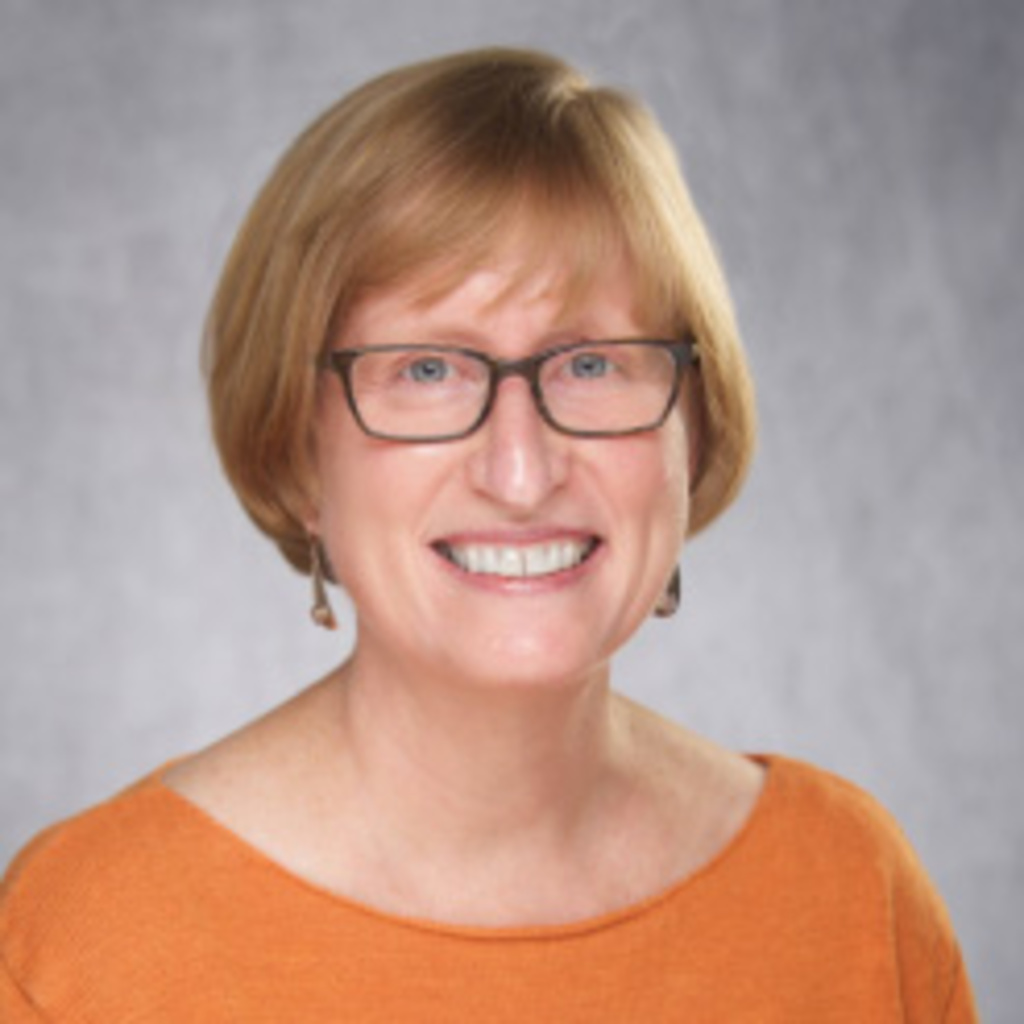
Alison Lynch, MD, MS
Director of UI Addiction and Recovery Collaborative
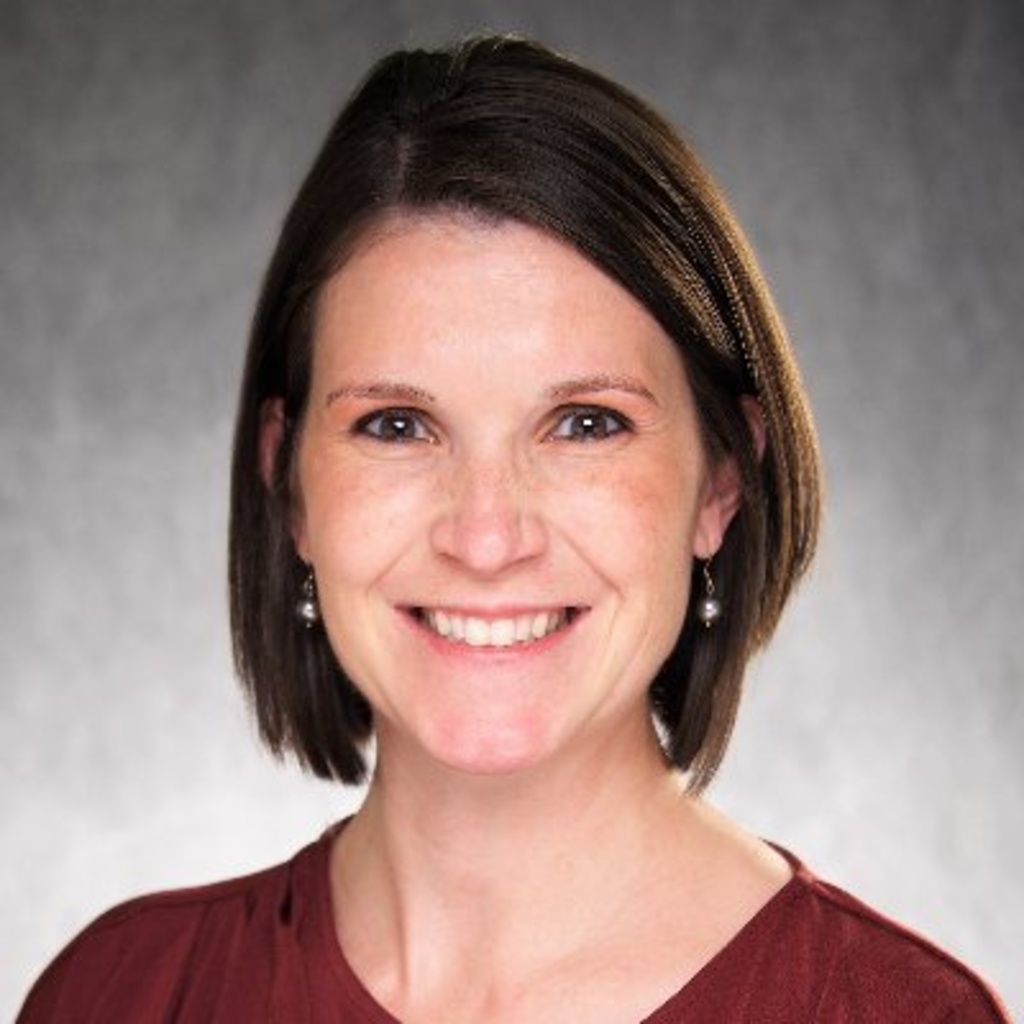
Andrea N. Weber, MD, MME
Assistant Director of UI Addiction and Recovery Collaborative
Jill Liesveld, MD
Director of Intensive Outpatient and Partial Hospitalization Programs
Clinical
Clinical Leadership
Alison Lynch, MD, MS
Andrea N. Weber, MD, MME
Nicole Woodson-DeFauw, MD
Jill Liesveld, MD
D. Lowell Yoder, MSW, LISW, Behavioral Health Clinical Manager
Physicians
Brigid Adviento, MD, MPH
Jill Liesveld, MD
Alison Lynch, MD, MS
Christopher Moreau, MD
Joshua Radke, MD
Alexander Thompson, MD, MBA, MPH
Andrea Weber, MD, MME
Carolyn Wong, MD
Nicole Woodson-DeFauw, MD
Nurse Practitioner
Ann Aschoff, ARNP, PMHNP
Pharmacists
Benjamin Miskle, PharmD
Heidi Wood, PharmD, MAS, BCPS
Case Managers
Peer Recovery Coaches
Nurse Specialists
Kimberly Sheridan, RN, BSN
Janet Pittman-Foell, RN
Social Workers
Taylor Brooks, LMSW
Chad Clark, LMSW
Dalia Hocine, LMSW
Jeffrey Kranz, LISW
Abigail Souder, LISW
Sarah Swanson, BA, CADC
Jared Swartzendruber, LMSW
D. Lowell Yoder, MSW, LISW
Education
Education Leadership
Alison Lynch, MD, MS, Clinical Professor of Psychiatry and Family Medicine
Brigid Adviento, MD, MPH, Psychiatry Clinical Assistant Professor
Andrea Weber, MD, MME, Clinical Associate Professor of Psychiatry & Internal Medicine
Benjamin Miskle, PharmD, Clinical Assistant Professor of Pharmacy Practice and Science
Fellows
Chris Schanbacher, MD - Addiction Medicine Fellowship
Alicia Killian, MD - Addiction Medicine Fellowship
Nicole Gleason-Limoges - insert - Integrated Substance Use Training Program
Fellowship Coordinator
Research Support & Administration
Administration Leadership
Andrew Case, PhD
Sayeh Sabbagh, LMSW
Program Managers & Coordinators
Evaluation
Marketing & Communications
Administration Support
Zoe Morris
UI ARC's Journey to Becoming the Newly-Minted Division of Addiction Medicine
UI Addiction and Recovery Collaborative, or the UI Health Care Division of Addiction Medicine, was sort of an accident. Or at least, when Dr. Alison Lynch, Clinical Director of Adult Psych and Residency Program Director for Family Med-Psych, became more involved in the world ofaddiction medicine, she didn’t foresee the snowball effect that would transform our CDS, or Chemical Dependency Services, into the complex, collaborative, and ever-growing organism that is the newly-minted Division of Addiction Medicine.
Substance use treatment is by no means new to our university hospital; 5 Boyd Tower, under the expert supervision of Dr. Jill Liesveld, has long provided partial hospitalization and intensive outpatient treatment, and at times, UIHC had residential treatment and detox services. Over time, the support and funding for these services not only didn’t grow to meet the changing needs of a county deeply wounded by the opioid crisis, but they were actively shrinking.
It would be remiss to discuss the roots of UI ARC without recognizing Dr. Anthony Miller at the Iowa City VA office. At one point, Dr. Miller was the only UI-employed routine prescriber of buprenorphine; this meant that unless they were veterans or had the means to pay cash for their treatment from private providers, those in Iowa City struggling with substance use could not access MAT treatment. Dr. Miller provided mentorship to many doctors, including our own Dr. Lynch and Assistant Director of UI ARC Dr. Andrea Weber, over the years. It was actually atthe request of a former resident, who knew that their future was in addiction medicine and needed a supervising attending, that Dr. Lynch got certified to prescribe buprenorphine by Dr. Miller in 2012. This was a tangible turning point for Dr. Lynch, with all roads leading to a career in addiction medicine.
To make a very long story short: MANY people contributed to the grassroots effort that culminated in the Division of Addiction Medicine in front of us. It would be impossible to name them all, but they came from Psychiatry, Family Medicine, the College of Public Health, the Emergency Department, the College of Nursing, and more. Dr. Liesveld and Dr. Lynch discussed opening their own MAT clinic for over a year before it happened, and at that point, they were a team of only two. The first MAT clinic was a side project for them both, taking place in 5 Boyd Tower on Tuesdays and Thursdays, because that was when ECT (electroconvulsive therapy) was not already using the space. Flash forward to 2026, andthe UI ARC team is made up of over 50 individuals spanning all backgrounds and specialties.
It was suggested in 2017 to Drs. Lynch and Liesveld that they apply for their first grant. Besides a small “pilot grant” rewarded from within the Department of Psychiatry, Dr. Lynch had never applied for a grant before. Enter Steve Arndt and Suzy Hedden! By a mix of hard work, passion, and perhaps some luck, the makeshift addiction team was awarded the first grant they ever applied for. With the addition of Sayeh Sabbagh,Jared Swartzendruber, and Dr. Weber, the first iteration of UI ARC was born. At this point, it was still referred to as “CDS”, but this name didn’talign with our patient-forward and person-focused work, leading Kelsey Montross and Dr. Lynch to later choose “UI Addiction & Recovery Collaborative.”
When Dr. Peg Nopolous began her tenure as Chair and DEO of the Department of Psychiatry, she appointed Dr. Lynch as head of addiction medicine and pledged to lend more space to the work that Dr. Lynch’s team was doing. Peg spoke to the department about her own connection to and interest in supporting substance use disorder treatment, and she “made it clear that addiction medicine is part of psychiatry, and not something separate,” Dr. Lynch noted. This was game-changing and allowed addiction medicine to take up space, leading residents and fellows, other departments, and new patients to addiction medicine.
Now that UI ARC is officially designated as the Division of Addiction Medicine, communication and recruitment efforts may become easier. But the core of what we do and how we do it won’t change. Our philosophy is unwaveringly patient-centered; we meet patients where they are at, we work across departments and specialties to provide the best possible care for patients who have often previously been disregarded or misunderstood, and we do it all without expecting our patients to be infallible. Dr. Lynch cites a recent interview that she listened to with Patrick Markee, the author of Placeless: Homelessness in the New Gilded Age, where he states that homeless people are “just people like the rest of us.” The same goes for patients with substance use disorders. Even when we cannot “fix” the substance use or issues resulting from it, we can still have a relationship with the patient and focus on the person behind the disorder.
While Dr. Lynch notes that “no one person can take credit” for the shift towards this attitude of inclusion and patient-centered care, she does cite the hiring of Dr. Weber, who had been an Internal Medicine/Psychiatry resident here around the time that UI ARC was taking root, as having hugely contributed to this culture. “Dr. Weber brought a strong commitment to unconditional regard, meeting patients where they are, and maintaining curiosity that has amplified the patient-centeredness of our care,” says Lynch. We’ve always been focused on breaking down barriers, even (and especially) when it comes to changing the status quo. “Our clinic was the first department to use cellular phones to communicate directly with patients, and text messaging proved to be very popular with them,” Jared recounts. “That helped our clinic build rapport with folks who tend to get easily frustrated with typical healthcare systems, leading to them not getting the care they need.”
Our next goal on the horizon is to become a Center of Excellence, so that we can continue to innovate on a larger scale towards an Iowa that better supports and destigmatizes people with substance use disorders. More immediately, we aim to focus on more engagement outside of the hospital and dive deeper into community health while we continue to grow and expand our services.
Bravo Board
Bravo Board is a place to recognize anyone on the UI ARC team for the work they do. Share a quick shoutout, thank someone for their help, or celebrate a big (or small) win— it all matters!